From Burnout to Body Awareness: A Journey Back to Feeling

There was a time when I stopped listening to my body.
I was moving forward, creating, working and taking care of everything around me, but somewhere along the way I had become disconnected from how I actually felt.
My body eventually made that impossible to ignore.
I was exhausted. I often felt overheated, my skin was affected by eczema, and the sense that something was not right became harder to push aside.
I knew I could not continue at the same pace.
My burnout recovery journey did not begin with one dramatic decision. It began with something much quieter: slowing down and learning to notice what my body was telling me again.
What Burnout Felt Like in My Body
Burnout is often described in terms of tiredness or stress, but for me it felt much more physical.
My body felt depleted and disconnected. Things I had previously ignored became impossible not to notice. My skin felt sensitive. I struggled with the feeling of being too warm. Even simple things could feel overwhelming.
For a long time, my instinct had been to keep going.
Eventually, I realized that pushing harder was not helping me move forward. I needed to do the opposite.
I needed space.
Space to rest. Space to think. Space to feel.
That shift sounds simple now, but at the time it was not. Slowing down meant paying attention to things I had learned to overlook.
It was the beginning of reconnecting with my body rather than constantly asking it to keep up with my mind.
Slowing Down and Learning to Listen Again
When you are used to moving quickly, slowing down can initially feel uncomfortable.
There is suddenly more room to notice how you are feeling.
For me, that became important.
Instead of immediately trying to solve every uncomfortable feeling, I started becoming more curious about it. What did my body need today? What felt comfortable? What felt restrictive? When did I feel calm and when did I feel overwhelmed?
There was no perfect routine behind it.
It was simply a gradual process of becoming more aware.
Rest became important, but so did movement, touch, clothing, nature and creativity.
I began to understand that feeling better was not always about adding more things to my life. Sometimes it was about removing pressure and paying attention to what was already there.

Creativity and My Burnout Recovery Journey
Creativity became one of the ways I found my way back to myself.
Designing gave me somewhere to put my attention that did not feel forced. I could work with shape, texture and movement and think about how something actually felt on the body.
That was very different from creating something simply because it looked beautiful.
I wanted clothing that allowed the body to move.
I wanted softness against the skin.
I wanted garments that did not make me feel restricted when I was sitting, walking, resting or working.
Those questions gradually became part of the foundation of Chambres.
For me, creativity and wellbeing became closely connected. Designing was not a medical treatment for burnout, but it gave me a meaningful way to reconnect with myself and with something I genuinely enjoyed doing.
That distinction still matters to me today.
Creativity does not need to be productive to be valuable. Painting, writing, cooking, gardening, dancing or designing can simply give us a moment in which we are fully present.

Reconnecting With the Body
One of the biggest changes for me was learning to notice physical sensations again.
Movement became part of that.
Sometimes movement means exercise. At other times it can simply mean stretching, walking or allowing your body to move without worrying about how it looks.
That idea is also something I recognize in practices such as 5Rhythms dance, where movement is less about following choreography and more about responding to the body.
The more attention I paid to movement, the clearer it became that comfort was not something trivial.
What we wear affects how freely we can sit, breathe and move through the day.
A waistband that feels restrictive, a fabric that irritates the skin or a garment that constantly needs adjusting becomes difficult to ignore when you are already feeling physically sensitive.
I started paying much more attention to those small details.
Why Physical Comfort Started to Matter
Before this period of my life, I probably thought about clothing primarily in terms of design.
Afterwards, feeling became just as important.
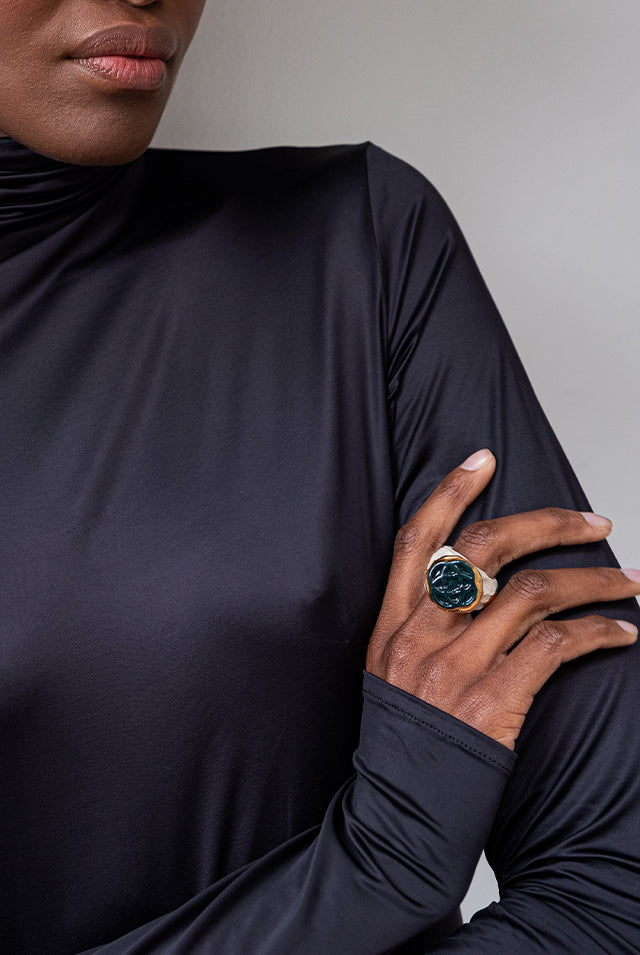
I wanted the first layer against my skin to be soft and comfortable. I wanted enough stretch for the garment to move with me rather than against me.
That led me to focus closely on the fabric Chambres uses and on how each piece feels during everyday life.
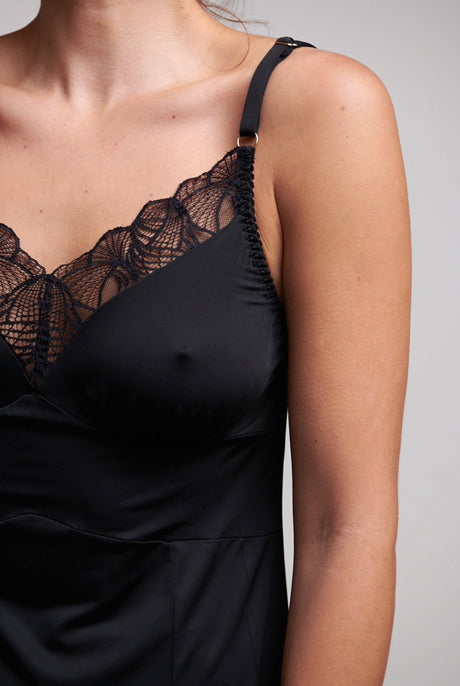
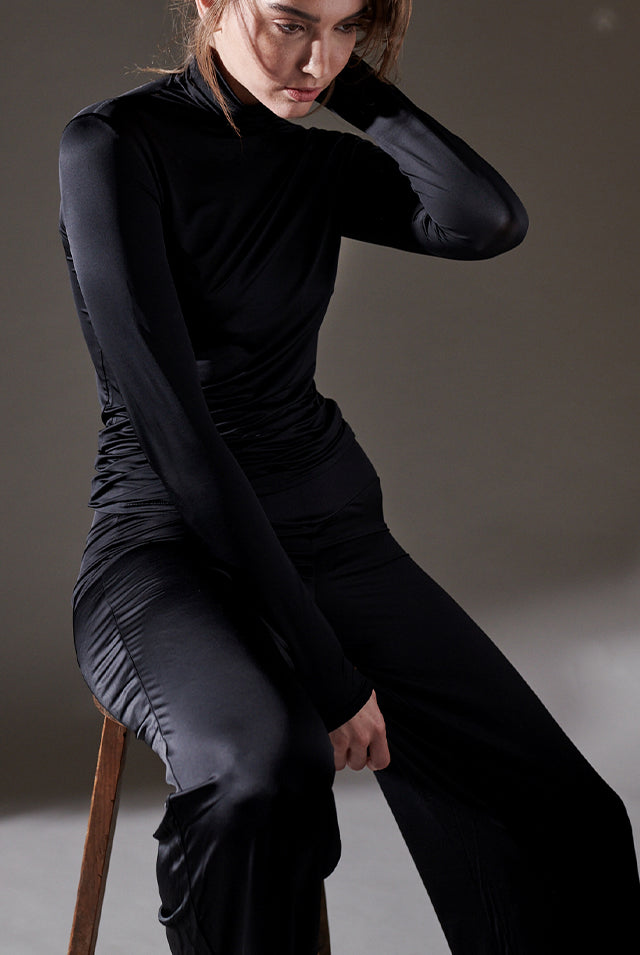
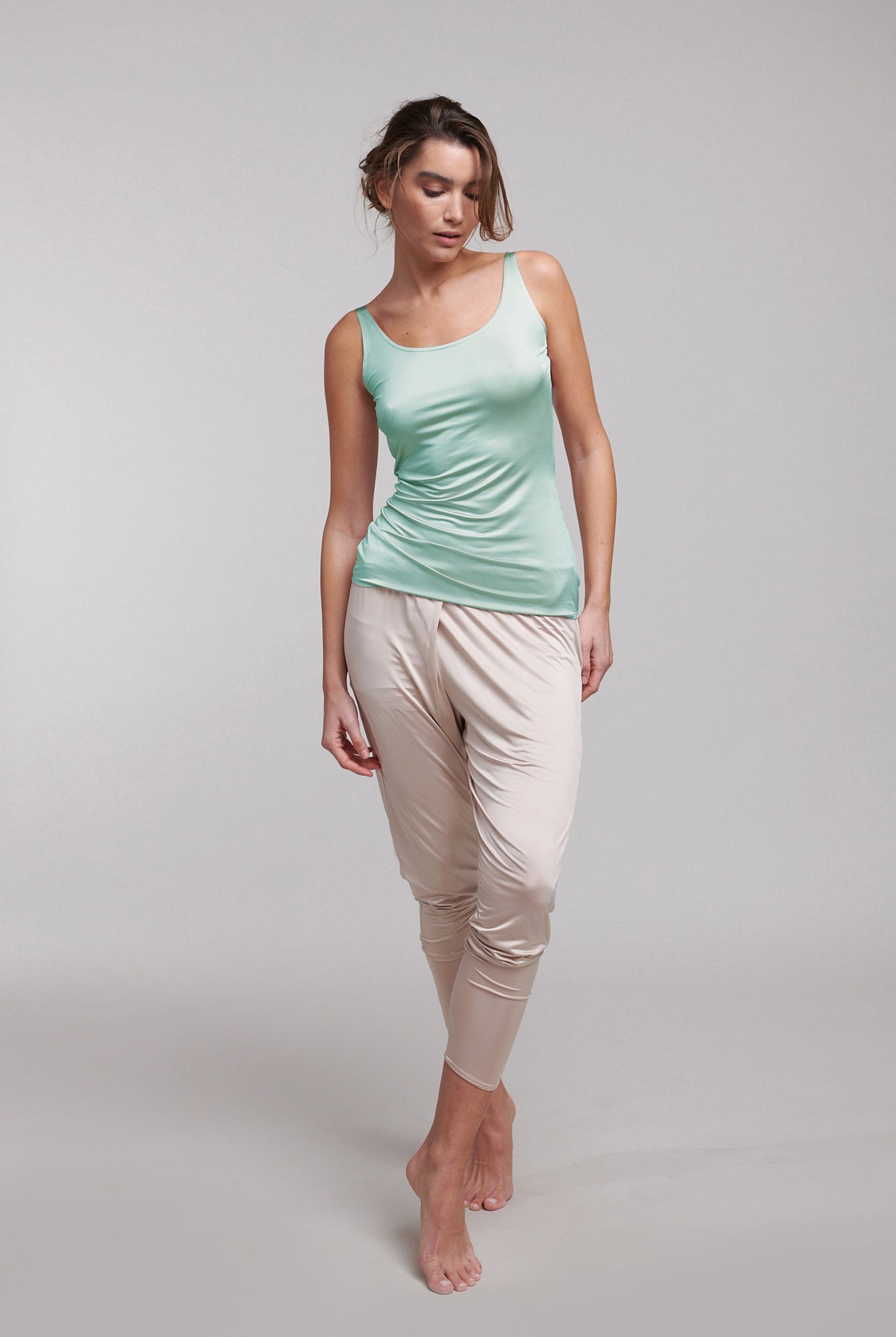
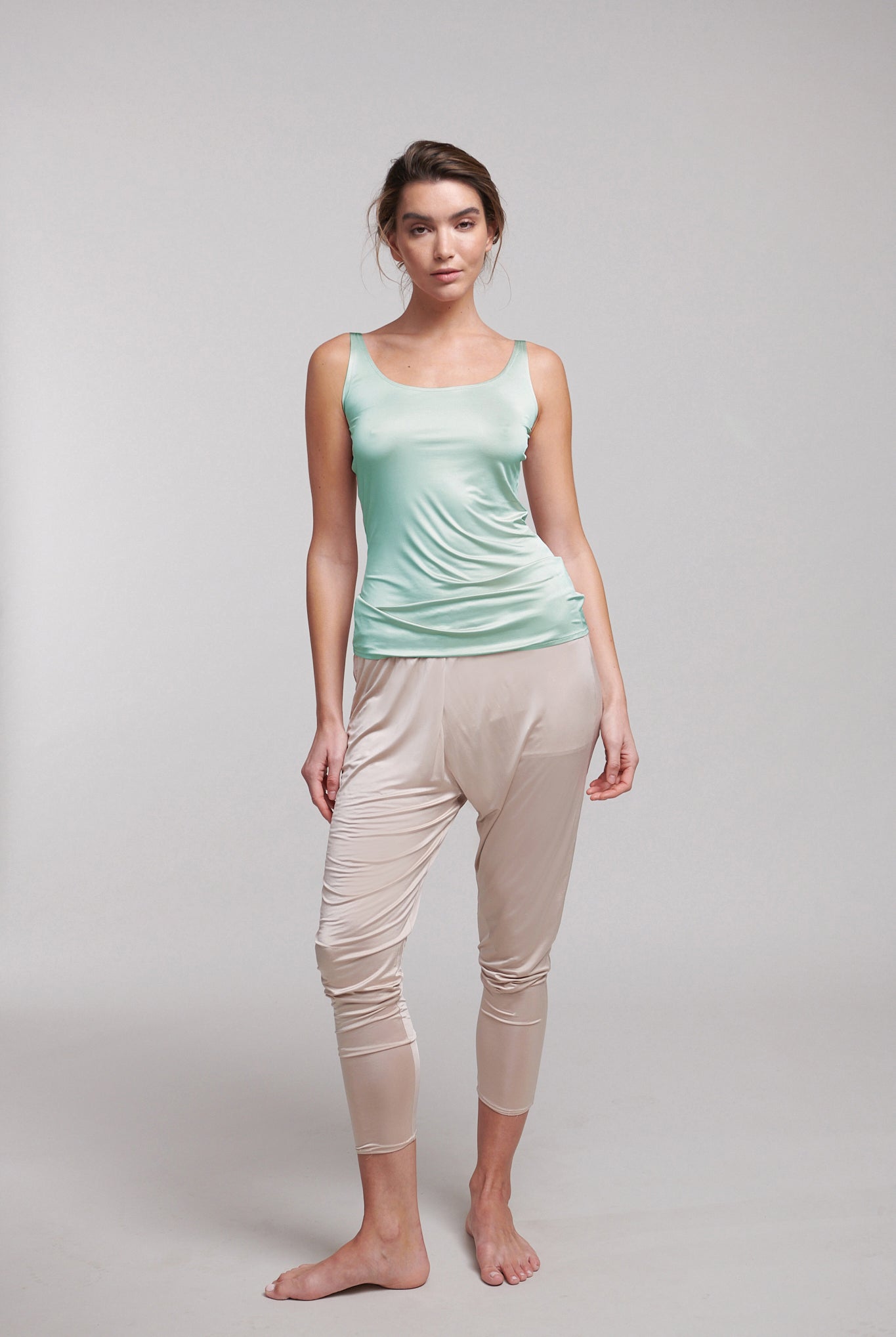
Our Superfine® fabric is soft, lightweight and stretchy, which makes it suitable for pieces designed to move between different parts of the day.
But I am careful about the language I use around this today.
Clothing does not heal burnout or illness.
What good clothing can do is remove one small source of discomfort.
Sometimes that matters more than we realize.
The Pieces That Became Part of My Daily Rhythm
Certain Chambres pieces gradually became part of my own everyday wardrobe.
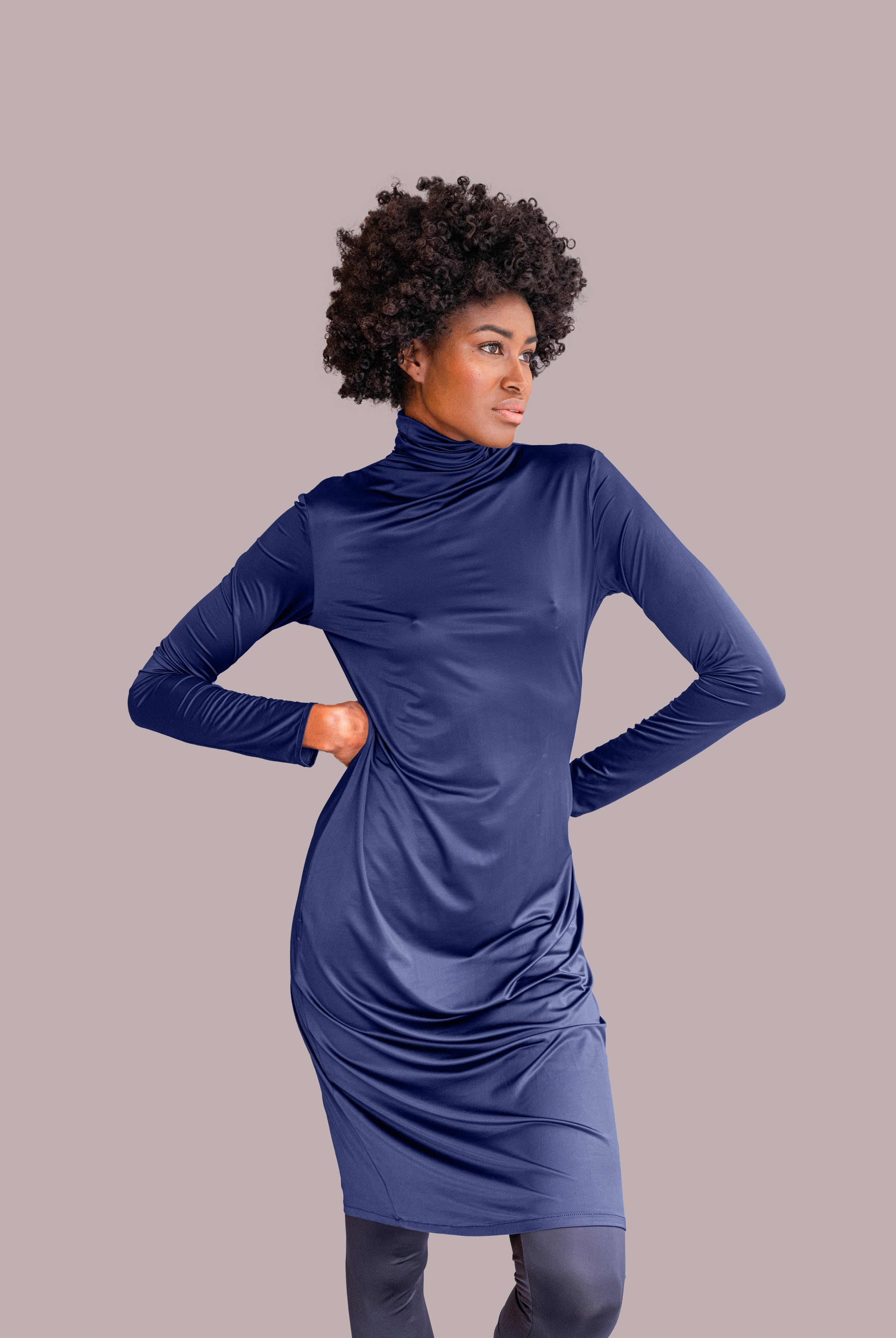
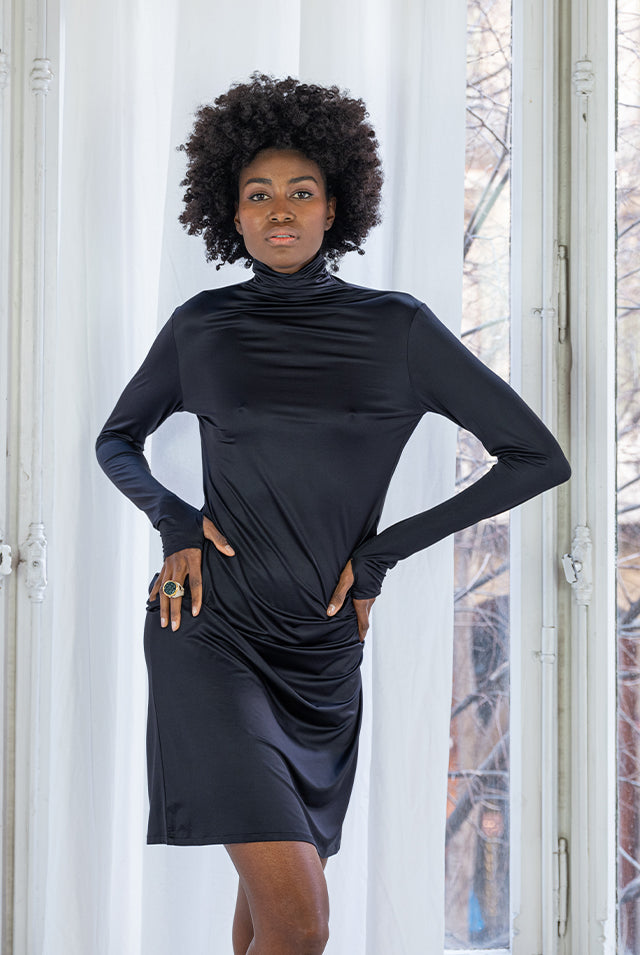
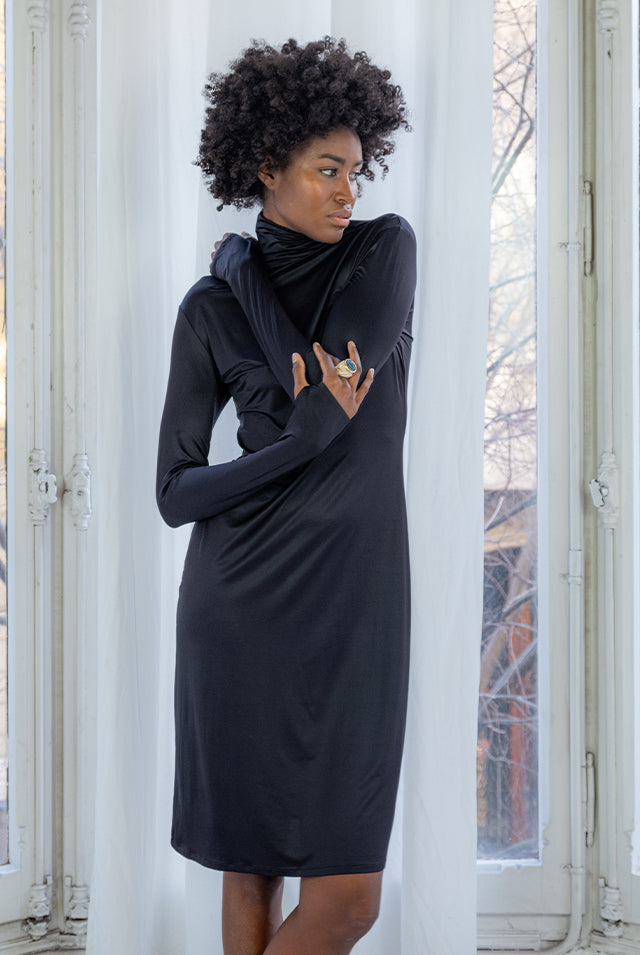
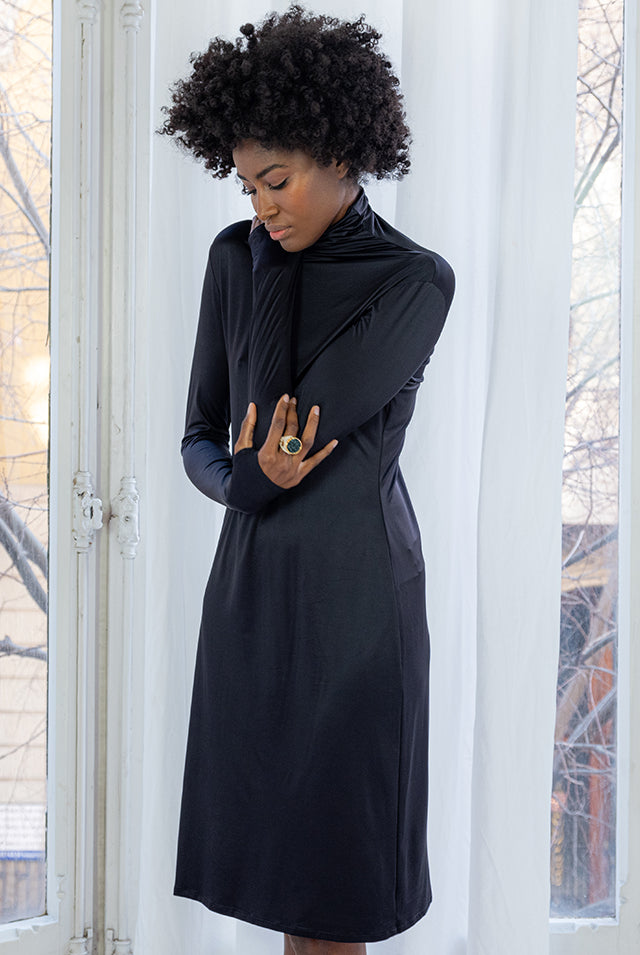
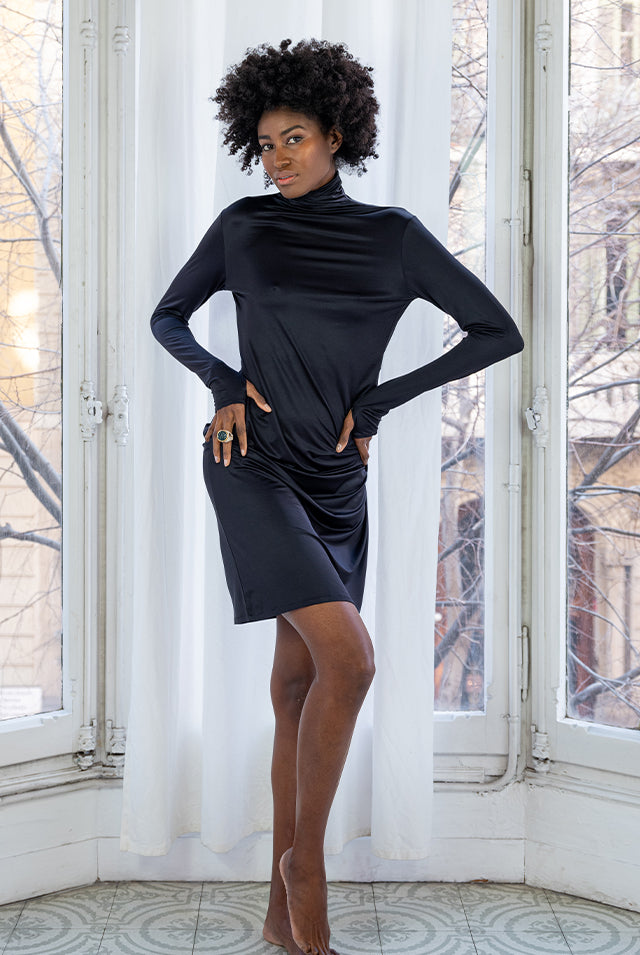
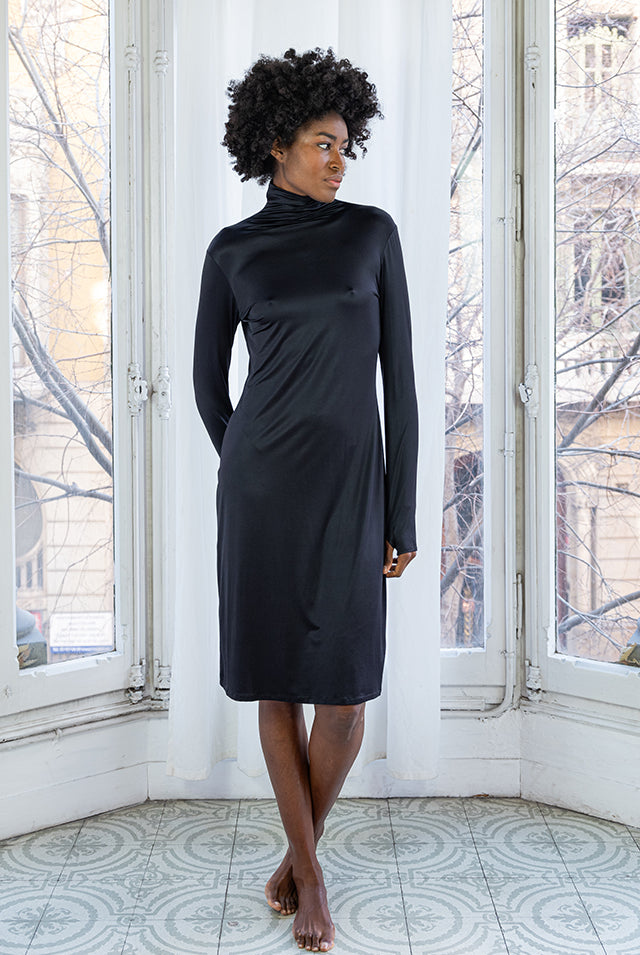
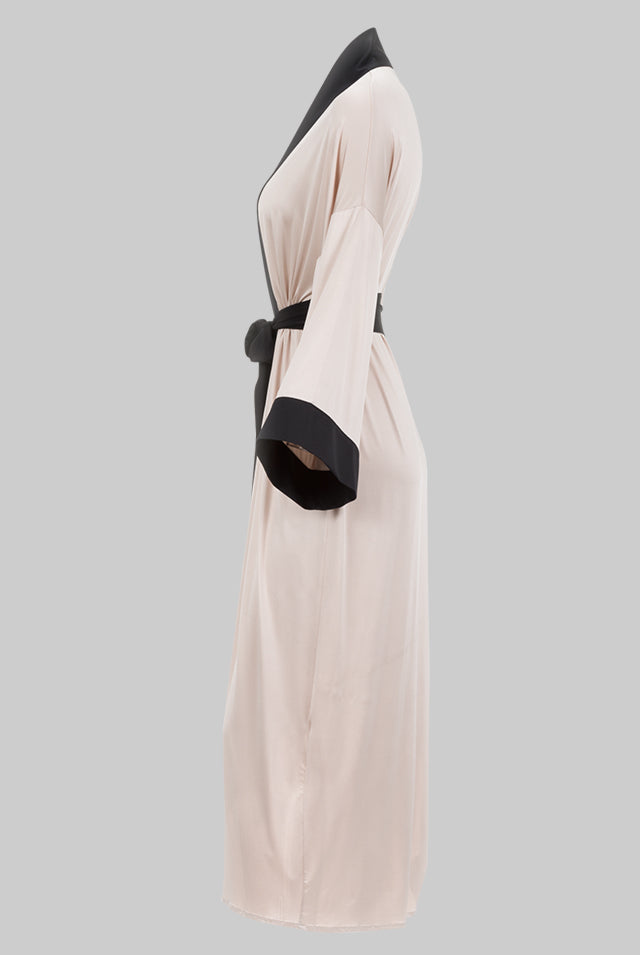
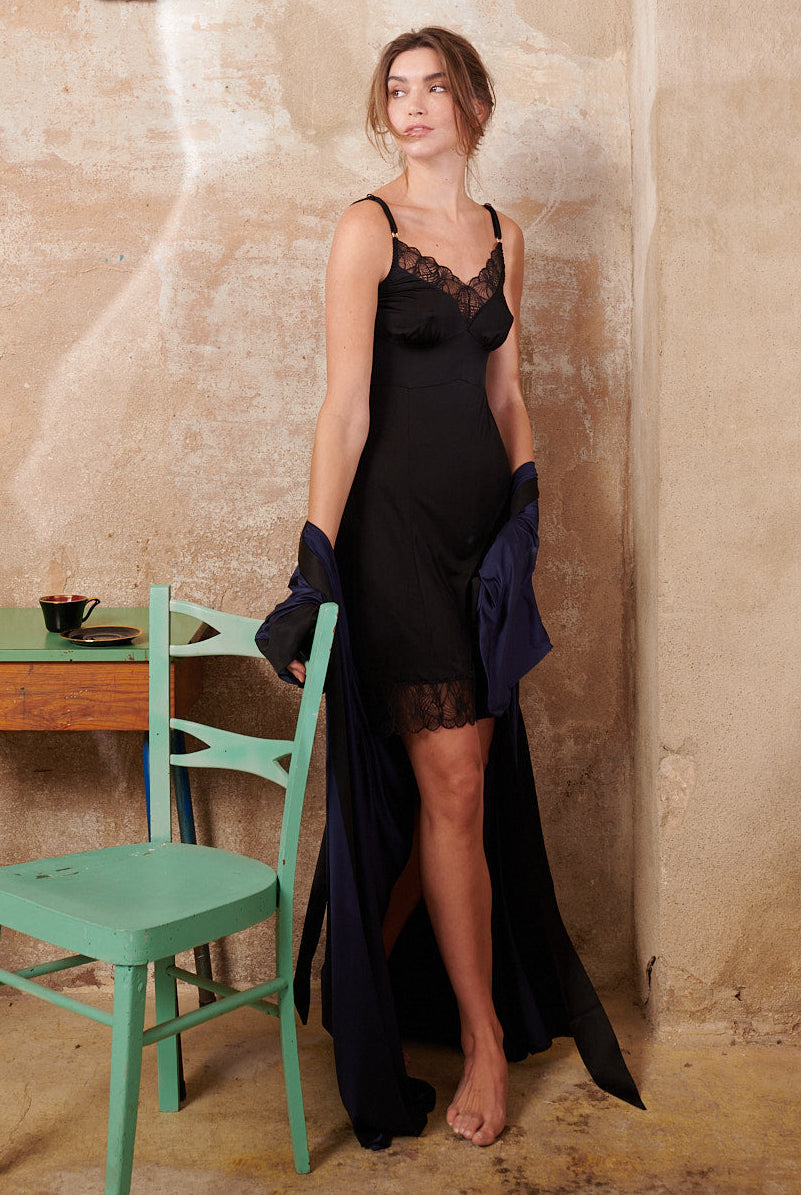
The Natalie Dress was one of the first signature pieces. It gave me the freedom and softness I had been looking for without feeling overly casual.
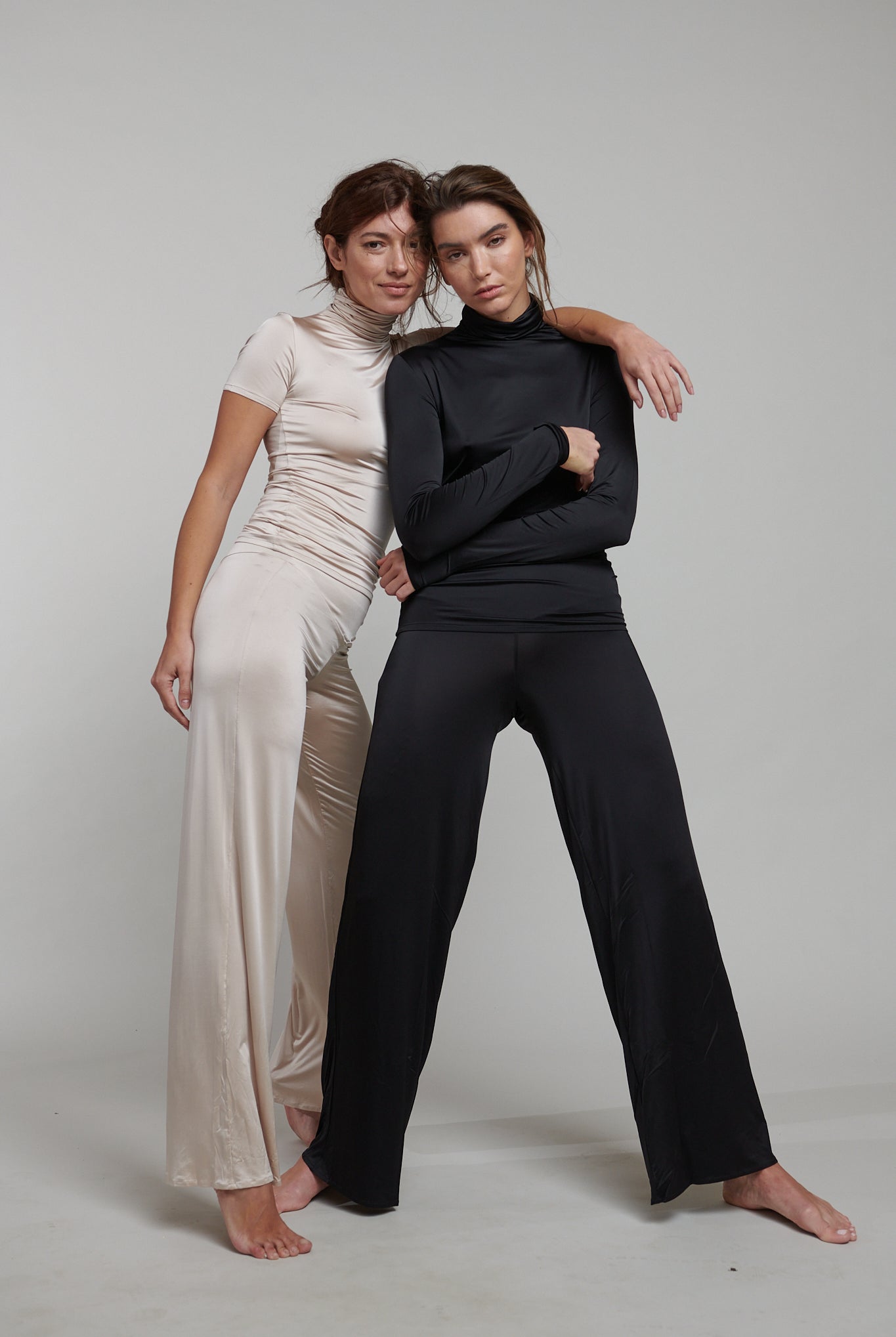
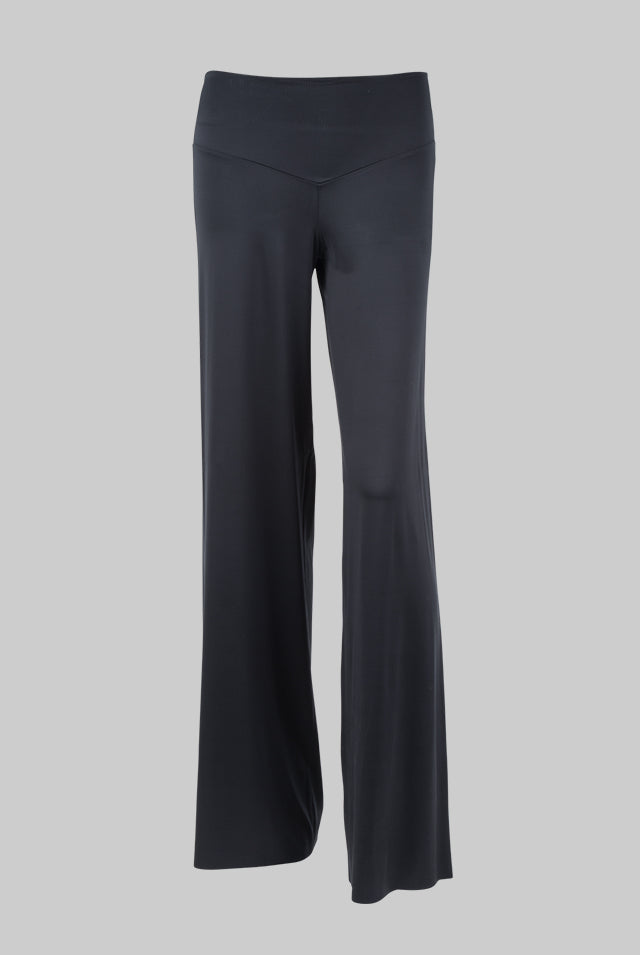
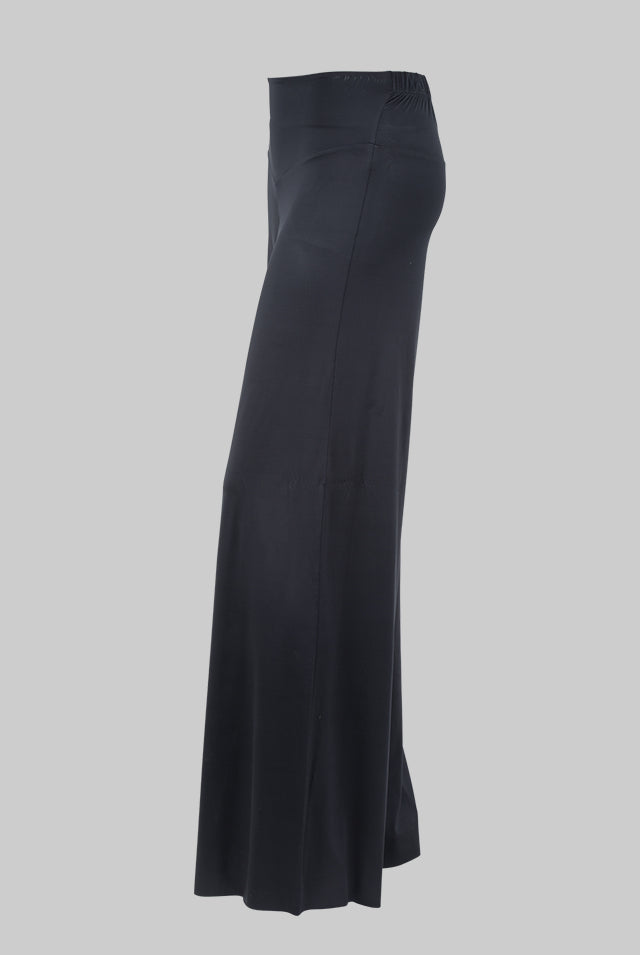
The Grace Pants became another everyday favorite because they allow me to move comfortably through very different parts of the day.
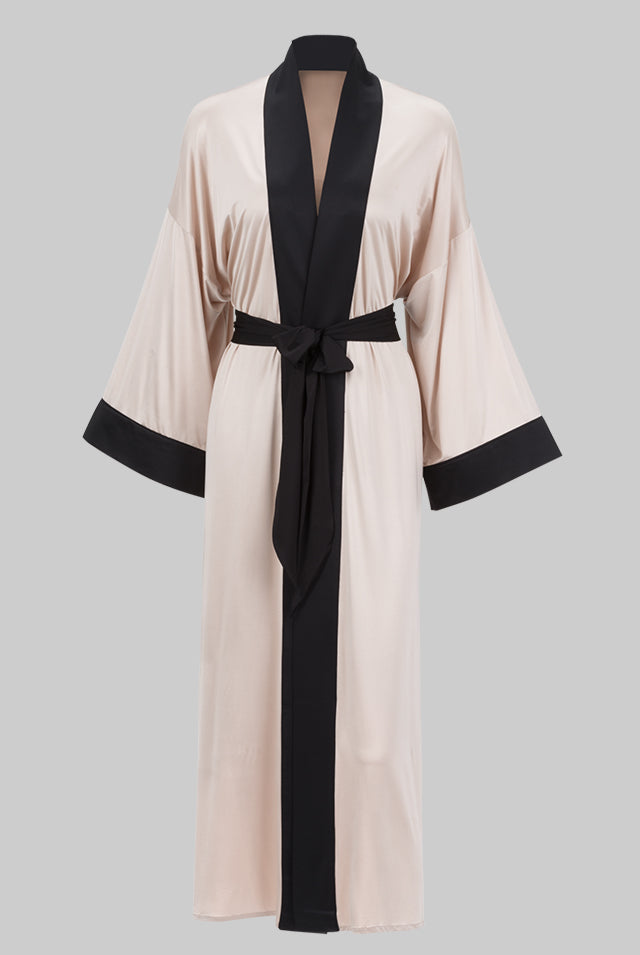
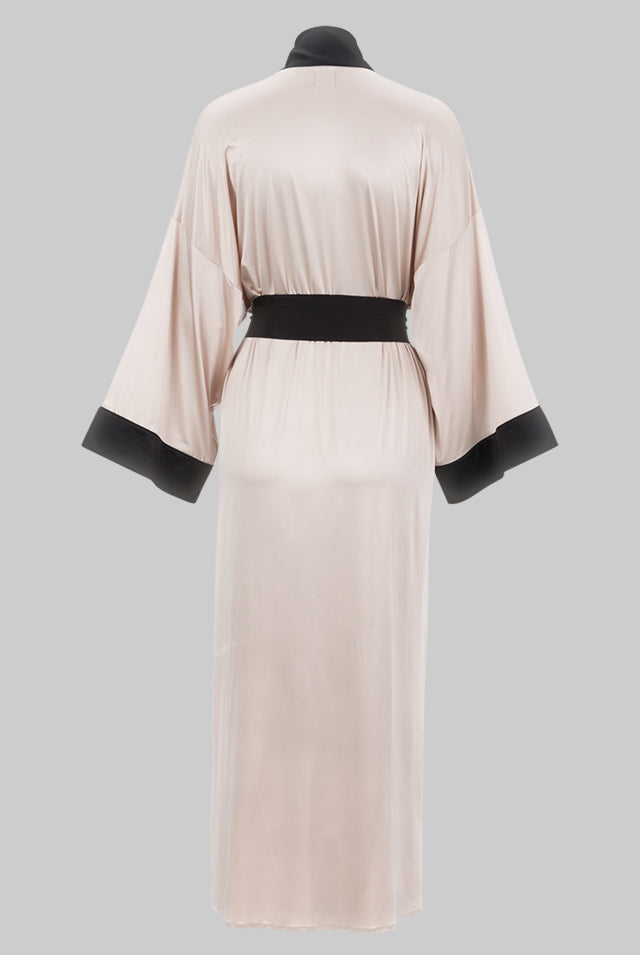
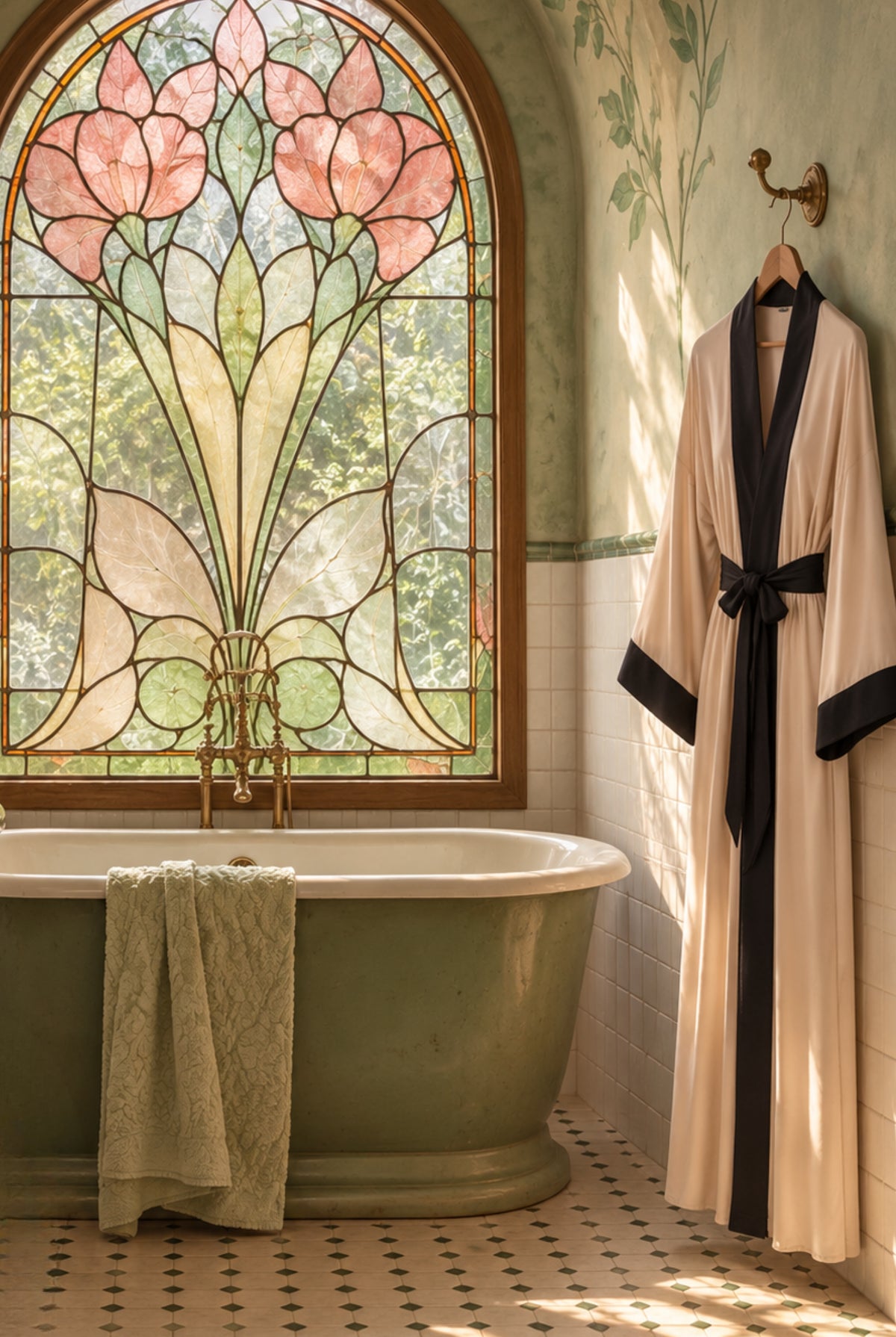
Kimonos, tops and simple layers followed the same idea.
I did not want a wardrobe that required me to constantly change depending on whether I was at home, working, travelling or going somewhere later in the evening.
I wanted clothes that could move with real life.
That idea is still at the heart of our loungewear collection today.
What Burnout Taught Me About Feeling
Burnout changed the way I think about comfort.
It also changed the way I think about creativity.
For a long time, I thought moving forward meant doing more. My experience taught me that sometimes progress starts by doing less and paying closer attention.
How does my body feel?
What gives me energy?
What drains it?
What feels comfortable?
What helps me feel present?
I do not always have perfect answers to those questions, and I do not think we need to.
The important part is learning to ask them.
For me, that was the journey back to feeling.
It influenced the way I live, the way I design and ultimately the way Chambres developed.
And perhaps that is why one sentence has stayed with me throughout the years:
It’s all about the feeling.